
Samsung won nine categories in the 2026 Korean Customer Satisfaction Index, one fewer than last year. Galaxy AI features such as Now Brief and Now Nudge were among the reasons it gave for the mobile result.
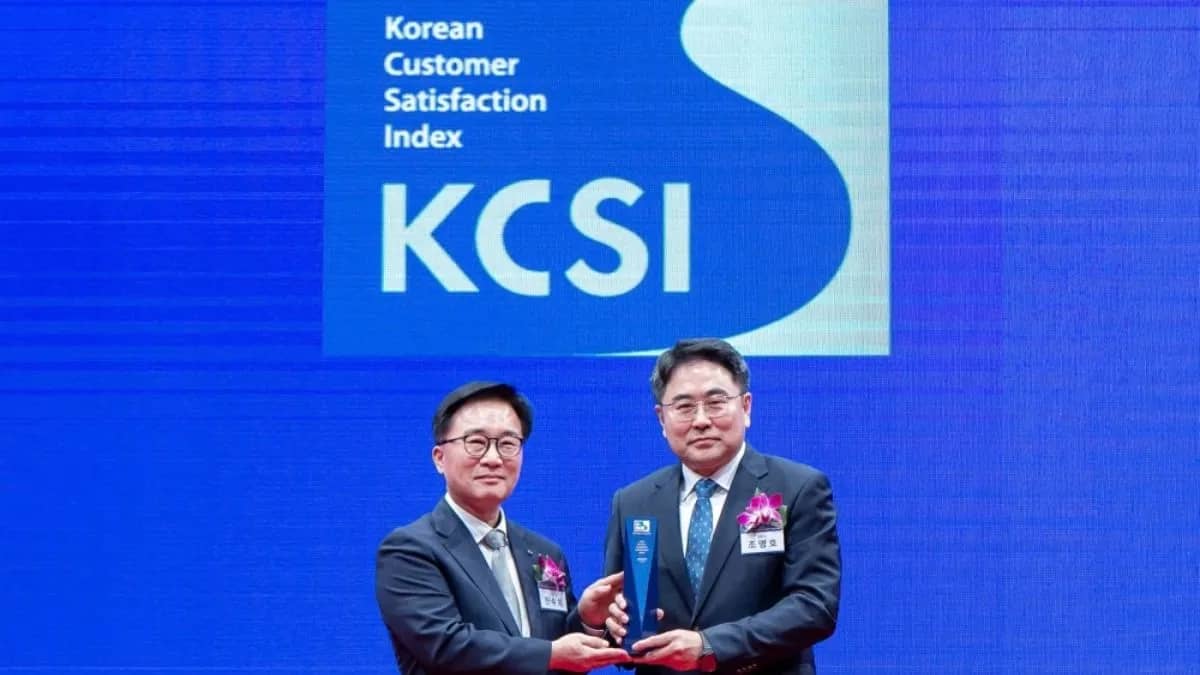
Samsung Electronics came first in nine product categories in the 2026 Korean Customer Satisfaction Index (KCSI). No other company in the survey topped as many, and it's the 25th year in a row Samsung has held that position. The company announced the results on September 30, 2026. Its mobile phone and TV categories both extended their streaks to 29 consecutive years.
KCSI is run by Korea Management Association Consulting (KMAC), and it measures consumer sentiment in South Korea only. This year's survey covered 455 companies across 122 industries, according to Samsung's Korean-language newsroom announcement. The result tells you a lot about how Korean buyers feel about Samsung at home. It doesn't tell you how Galaxy owners in the US, Europe, India or Nigeria rate their phones.
What Samsung won in the 2026 KCSI
Samsung placed first in three IT categories (TV, mobile phone and PC) and six home appliance categories. Here's how long each streak now runs:
| Category | Consecutive years at No. 1 |
|---|---|
| TV | 29 |
| Mobile phone | 29 |
| PC | 25 |
| Refrigerator | 17 |
| Washing machine | 17 |
| Kimchi refrigerator | 16 |
| Air conditioner | 14 |
| Cordless stick vacuum | 6 |
| Clothes dryer | 5 |
A mobile phone streak running since the late 1990s covers basically every era of Samsung's handset business in Korea: the feature phones before Galaxy, the first Galaxy S, the Note line, and now the Z foldables.
Why Samsung says Galaxy phones won again
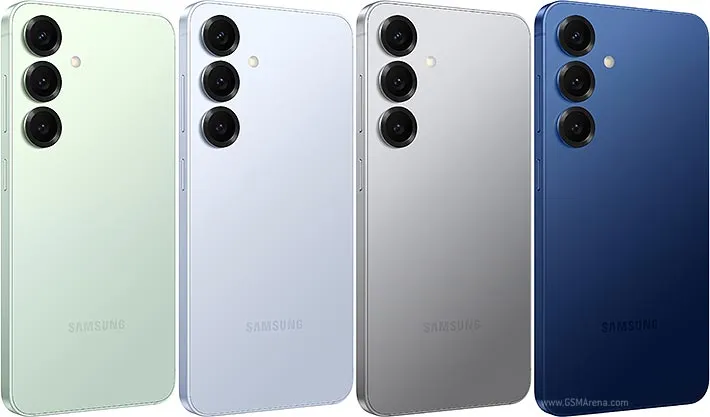
For the mobile category, Samsung pointed to the Galaxy S26 series as this year's flagship. It also credited the Galaxy Z Fold and Z Flip lines for pushing foldable form factors forward. The newsroom post shows the Galaxy Z Fold 8 and Galaxy S26 Ultra.
Samsung called out two Galaxy AI features by name. Now Brief shows personalized information based on a user's routine and interests. Now Nudge reads the context of what you're doing and suggests a next step at the right moment, such as adding an event to your calendar or saving a place. Both got updates in One UI 9, which is now reaching more devices. The Galaxy S25 One UI 9 rollout added editable Now Brief cards for health, weather and video.
It's notable that Samsung put its AI software in the headline alongside the hardware. KCSI scores come from customers' experience with a product. That Samsung chose to highlight AI features, not camera specs or battery capacity, shows how central Galaxy AI has become to the way it sells its phones. Samsung's own materials don't break out which features actually moved the scores, though, and KMAC hasn't published an item-by-item breakdown for the phone category in the results reviewed for this article.
TVs, PCs and appliances
For TVs, Samsung cited a premium lineup that now includes Micro RGB, Neo QLED, OLED and Mini LED models. It also cited Vision AI Companion, which the company describes as an assistant that understands both what's on screen and what the viewer is asking.
The PC category's 25th straight year at No. 1 went to the Galaxy Book6 series. Samsung credited the Galaxy Book6's battery life and display visibility, along with the Galaxy ecosystem's links between phones, tablets and PCs. That link-up matters most to people who already own several Samsung devices, and it's a big part of why Samsung pitches its laptops to Galaxy phone owners first.
On the appliance side, Samsung highlighted AI features in each category:
- The 2026 Bespoke AI Family Hub Kitchen Fit Max refrigerator uses camera-based AI Vision to recognize ingredients and suggest recipes.
- The Bespoke AI Kimchi Plus Kitchen Fit Max has an AI constant-temperature mode that reduces temperature swings based on how the fridge is used.
- Bespoke AI washers look at laundry type, weight and soil level to set wash, rinse and spin cycles. Bespoke AI dryers adjust drying to fabric type.
- The 2026 Bespoke AI WindFree Combo Gallery Pro air conditioner uses AI Motion Wind, which senses where users are and how active they are to adjust cooling.
Several of these models, including the Kimchi Plus and the WindFree Combo Gallery Pro, are sold mainly in Korea. Don't assume the same feature set or product names apply in your market.
Jo Myung-ho, executive vice president of Samsung's Visual Display Business, collected the certification at a ceremony at The Shilla Seoul on September 30. In the company's announcement, he credited years of accumulated product technology and customer-satisfaction work for the result. He said Samsung would keep releasing products built on differentiated AI and quality.
How KCSI actually measures satisfaction
KMAC created KCSI in 1992, and it's one of South Korea's longest-running customer satisfaction studies. According to KMAC's published scoring model, each score blends three things:
- Component satisfaction (50%): ratings of product, service and brand image attributes, weighted by how much customers say each one matters.
- Overall satisfaction (30%): a single general rating of the experience.
- Repurchase intent (20%): whether the customer would buy or use the product again.
Each item is rated on a seven-point scale. Only the share of respondents who give a 6 or 7 counts toward the index. Put another way, KCSI measures how many customers are strongly satisfied, not the average rating.
For the 2025 edition, KMAC says it interviewed 11,640 consumers aged 18 to 64 face to face in their homes. Respondents lived in Seoul, the surrounding metro area and six major metropolitan cities. KMAC began running the survey quarterly in 2025 and noted that the 2026 survey would run from November 2025 to September 2026. The 2026 sample size didn't appear in the materials reviewed for this article.
Two caveats are worth keeping in mind. KCSI ranks companies within each category, so first place means Samsung scored highest among the Korean brands surveyed, not that it hit a particular absolute score. The survey also only covers South Korea, where Samsung has a much stronger home-market position than it does almost anywhere else.
Nine categories, down from ten
Samsung still won more categories than any other company, but the count fell this year. In KMAC's 2025 KCSI results, Samsung ranked first in 10 industries. That was also the most of any company, ahead of Hyundai Motor with five and Samsung C&T with four.
Neither Samsung's 2026 announcement nor the other coverage reviewed for this article says which category Samsung lost or why. Without KMAC's full 2026 industry tables, it isn't possible to say whether a competitor took the top spot, whether the category was reorganized, or whether it was dropped from the survey. It's also worth noting that the 2025 results recorded 27 changes of first-place company across industries, which KMAC said was a record. Long streaks in this survey aren't as safe as they might look.
What this means outside Korea
For Galaxy owners outside South Korea, the ranking is more of a reputation signal than anything practical. It doesn't change pricing, availability or software support in any market.
The ranking is also a good reminder that home-market loyalty and global market share are separate things. Samsung's phones have topped Korean satisfaction rankings for 29 years, yet Omdia data put its share of the global book-style foldable market at just 18% in the first half of 2026, well behind Huawei. That figure covers the period before the Fold 8 went on sale, as SamsVerge's analysis of Samsung's foldable market share explains. Satisfaction among existing buyers and winning new buyers in competitive markets are different problems.
If you're wondering whether the Galaxy AI features Samsung cited will reach your phone, the answer depends on your device, region and language. Samsung says Galaxy AI features can vary by country, model and carrier. The staggered One UI 9 rollout, which has reached devices like the Galaxy Z TriFold in South Korea ahead of other markets, shows how the timing differs by region.
[IMAGE: Samsung Galaxy S26 Ultra and Galaxy Z Fold 8 product images from Samsung's 2026 KCSI announcement]
What to watch next
KMAC usually publishes its full industry-by-industry KCSI results around the certification ceremony. Those tables should show the category scores behind Samsung's wins and which category it no longer leads. The more important test for Samsung's phones comes in the next couple of quarters, as the Galaxy S26 series and One UI 9 reach buyers in markets where Samsung's position isn't as strong as it is at home.
FAQ
What is KCSI?
KCSI, the Korean Customer Satisfaction Index, is an annual customer satisfaction survey run by Korea Management Association Consulting (KMAC) since 1992. It scores companies within each industry using overall satisfaction, satisfaction with specific attributes, and repurchase intent.
How many categories did Samsung win in the 2026 KCSI?
Nine: TV, mobile phone, PC, refrigerator, kimchi refrigerator, air conditioner, washing machine, clothes dryer and cordless stick vacuum. That was the most of any company in the survey, and it's the 25th year in a row Samsung has held that position.
Did Samsung win fewer categories than last year?
Yes. Samsung ranked first in 10 industries in the 2025 KCSI and nine in 2026. The materials reviewed don't say which category it lost.
Does the KCSI ranking apply to Samsung phones worldwide?
No. KCSI surveys consumers in South Korea only, so it reflects Korean customer sentiment, not global satisfaction or market share.
Which Galaxy features did Samsung credit for the mobile win?
Samsung named the Galaxy S26 series, the Galaxy Z Fold and Z Flip foldables, and the Galaxy AI features Now Brief and Now Nudge.




Responses (0 )